Table Of Content

The extent and duration of hair loss depend on the medication that the person is taking, as well as the dosage. Hair transplant surgery or laser therapy may also be right for you if you’re experiencing pattern baldness. Some forms of hair loss are temporary, while others, like pattern baldness, are permanent.
How to treat hair loss from medication
New Drug to Treat Alopecia in Adolescents and Teens Helps Renew Confidence - Parents
New Drug to Treat Alopecia in Adolescents and Teens Helps Renew Confidence.
Posted: Tue, 18 Jul 2023 07:00:00 GMT [source]
Most medications that cause hair loss affect hairs in the resting phase. The effects of drug-induced alopecia often appear within 3 months of an individual starting on a particular medication. Drug-induced hair loss, like any other type of hair loss, can have a real effect on your self-esteem. The good news is that in most cases, it's reversible once you stop taking the drug.
What Medications Can Cause Hair Loss? 46 Known Drugs
Anagen effluvium is hair loss that occurs during the anagen phase of the hair cycle, when the hairs are actively growing. It prevents the matrix cells, which produce new hairs, from dividing normally. This type of hair loss usually occurs within a few days to weeks after taking the medication. There is a very likely chance that if you're experiencing hair loss primarily as a result of a drug you're taking, the hair will grow back on its own once you stop taking the medication. It’s important to talk to your doctor before stopping, as the medication is certainly a necessary one for whatever medical condition it’s treating.
Anti-clotting drugs
A typical hair transplant involves removing patches of hair from your head and reinserting the hair follicle by follicle into the bald sections. She had kidney disease, endured regular dialysis and had undergone an aggressive medical regimen after doctors discovered blood clots. Other mood stabilizers, such as lithium, selective serotonin reuptake inhibitors (SSRIs), and bupropion may also cause hair loss. Michelle Crouch is a contributing writer who has covered health and personal finance for some of the nation’s top consumer publications. Her work has appeared in Reader’s Digest, Real Simple, Prevention, The Washington Post and The New York Times.
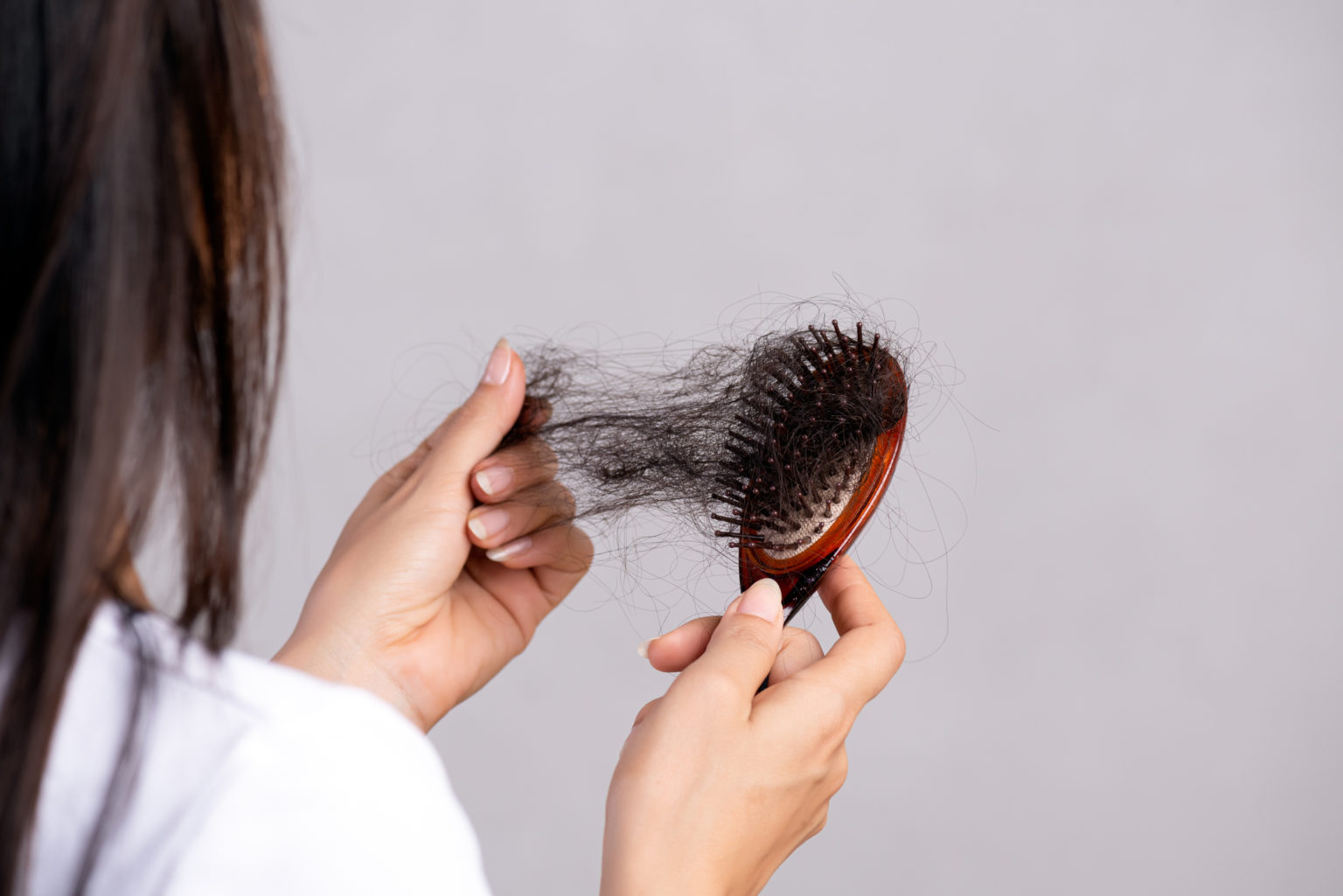
What Types of Drugs Cause Hair Loss?
Treatment for this type of hair loss centers around treating the active fungal infection. Most baldness is caused by genetics (male-pattern baldness and female-pattern baldness). Minoxidil stimulates hair growth and should be used with other treatments. Medications that treat thyroid disorders may cause hair-related effects, such as hair loss, dryness, or brittleness. However, thyroid conditions can also contribute to hair thinning and shedding, so it might be difficult to know whether the hair loss is due to your medication or the condition. Hair loss with SSRIs and bupropion, although possible, is not as common.
What makes alopecia worse?
According to the American Academy of Dermatology, it’s completely normal to shed anywhere between 50 to 100 strands of hair per day. However, if you’ve noticed more strands falling out of your head than normal, you may be experiencing alopecia, the medical term for hair loss. Common diagnoses include androgenetic alopecia, alopecia areata, telogen effluvium, and lymphocytic scarring alopecia, Agbai tells USA TODAY. Genetics, hormonal changes, inflammation and even certain diseases — including, in some cases, COVID-19 — can trigger temporary or permanent hair loss. And prescription drugs may also trigger excessive and sudden shedding.
How do trees and green spaces enhance our health?
Our hair goes through different stages of growth, and the type of hair loss is usually classified based on what stage of growth your hair is in when it falls out. People should also speak to a doctor to determine whether another underlying issue may be causing hair loss. If stopping or switching medication is not an option, people may be able to slow the rate or hair loss or help reverse hair loss using home remedies and natural solutions. Many prescription and some over-the-counter medications can cause hair loss as a side effect. Supplements, topical applications, and changing medications may help to resolve hair loss. Your appearance, and therefore your hair, can be a source of confidence.
It may be a surprise to you when you first start noticing your hair thinning or begin to see the early signs of hair loss. Maybe, it’s even something that you’ve been aware of for a while and are starting to wonder which medications are available. Either way, addressing hair loss as soon as possible could help you hold onto your hair, slow hair thinning, or even promote hair regrowth. Telogen effluvium is the more common type of drug induced hair loss and can develop as a possible side effect from a wide variety of medications and supplements.
A person should use birth control to prevent pregnancy if they want to take spironolactone. A person should not use minoxidil if they do not know the cause of their hair loss. Choosing the right medication to manage your hair loss may be a difficult task. It is important to talk to your healthcare provider and work with them to help choose the best medication for you.
Some small, limited studies have found that certain supplements and shampoos could be helpful, dermatologists say. However, your best bet if you’re suffering from hair loss is to see a board-certified dermatologist who can determine what’s causing your alopecia and then recommend a treatment plan. By contrast, scarring alopecia, another autoimmune disease that causes hair loss, is often accompanied by itchiness, tenderness and scaling of the scalp. Scarring alopecia is the most devastating type of hair loss, Mirmirani says, because it permanently destroys the hair follicles.
Minoxidil is approved by the Food and Drug Administration (FDA) as a treatment for female pattern hair loss. The type of drug, type of hair loss, dosage, and your sensitivity to the drug are all important factors in how severe the side effects will be. The hair loss that occurs as a result of medication use can affect all hair growing on the body. A 2017 pilot study involving 100 females with hair loss concluded that combining spironolactone with minoxidil may be a safe and effective treatment for FPHL.
Both the CDC and the FDA warn against treating this common childhood condition on your own with non-prescription treatments. There are also some anticonvulsant medications, such as valproic acid, carbamazepine, and phenytoin, as well as certain antidepressant drugs, such as lithium, that may be linked alopecia. Individuals who cannot visit or do not feel comfortable consulting a physician in person can consider using a telehealth service to discuss their hair loss and get a prescription. BlinkRx is an online pharmacy that claims to provide people with the lowest prescription prices for a wide range of medications. Older research showed that in a group of over 2,500 Japanese men, 87% saw an increase in hair growth. 11% of men saw a significant increase in hair, with 36% experiencing a moderate improvement.
When you notice the signs of hair loss, your confidence may waver. A folic acid supplement, commonly co-prescribed with methotrexate, can help keep your hair healthy, but does not encourage hair growth. If hair loss is affecting your appearance and self-confidence, your healthcare provider may try to lower your dosage or switch you to another medication to see if that solves the issue.
"Hair loss has been listed as one of the more common side effects of these drugs," Dr. Jaliman says. But most of the time, it's mild enough that patients can successfully stay on these medications. On average, it takes at least six months to see a noticeable difference in hair loss after starting spironolactone. Because of the side effects it can have on males, oral Aldactone is only recommended for use in female-pattern hair loss. Propecia works by targeting the protein that converts testosterone into dihydrotestosterone (DHT), a more potent form of testosterone.
If your dermatologist suspects that the cause of your hair loss could be a disease, vitamin deficiency, hormone imbalance, or infection, you may need a blood test or scalp biopsy. A dermatologist is a medical doctor who specializes in treating the skin, hair, and nails. There are many medications that can cause hair loss in some individuals, without causing any problems in other people. Some medications, such as finasteride and spironolactone, are only available with a doctor’s prescription. Individuals must answer an online questionnaire indicating whether they have a receding hairline, thinning at the crown, overall hair loss, and more. Roman provides prescription and OTC medications for hair loss, erectile dysfunction, and premature ejaculation.


No comments:
Post a Comment