Table Of Content
- Do cruise ships launch human waste into the ocean?
- The Onboard Sewage Treatment System
- What’s black water?
- Is This a Picture of a Cruise Ship Dumping Human Waste Into the Ocean?
- Yes, cruise ships dump waste into the ocean
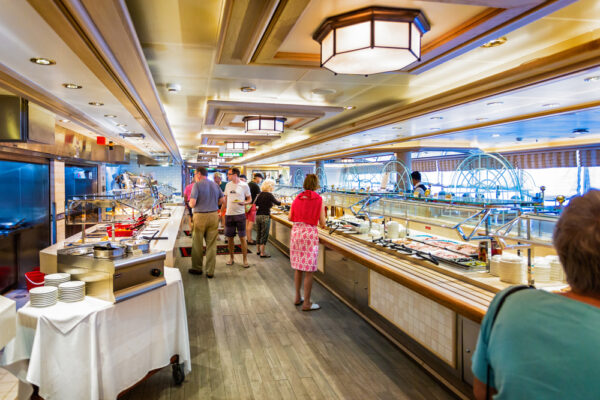
- What happens to all that uneaten food on cruises? These lines are working to reduce waste.

After that, it might find a new life for non-drinking uses like cooling the engine or getting released into the sea under strict rules. Generally, treated water is permitted to be dumped in many areas that aren’t too close to land, while untreated waste can still be dumped according to regulations, but it must be further from shore. There isn’t a standard for where treated sewage water is released, as it depends on the waters where the ship is sailing.
Do cruise ships launch human waste into the ocean?
Page 938 – Cruise Hive - Cruise Hive
Page 938 – Cruise Hive.
Posted: Thu, 29 Feb 2024 08:00:00 GMT [source]
They are bad for the environment as they increase ocean noise, increase air and water pollution, and spread bacteria and viruses. But cruises are a billion-dollar business and keep continuing with their polluting ways. This is because wastewater cannot be released into a port even if it is heavily treated. Instead, the wastewater is still filtered and treated the same way as it would be at sea; however, it goes through several extra steps, like being scanned and sampled to ensure it meets local regulations. Now that you know how human waste is separated from other forms of wastewater and how it is stored, we can explore the ethical and responsible ways cruise ships dispose of this unpleasant waste. Cruise ships get rid of human waste by treating it extensively in an onboard treatment plant.
The Onboard Sewage Treatment System
Just like skeet shooting, and hitting gold balls off the side of the ship, the midnight buffet is an old cruise line tradition that you don’t see on ships anymore. Gray water is filtered and discharged in permitted areas away from coastlines. The treated liquid is kept for at least an hour more to fight off any remaining e-Coli. The clear liquid from the settling tank is overflown here and then disinfected using chlorine to get rid of e-Coli bacteria. Nathan Diller is a consumer travel reporter for USA TODAY based in Nashville.
What’s black water?
Cruise ships have their own sewage works systems down in the engine room areas. Though they’re designed to be utterly leak- and odor-proof, strategically positioning them throughout the ship’s off-limits areas reduces the dangers of any accidents. Ships usually have an “Oil Record Book” for recording every time they discharge oil into the ocean.
How do cruise ships conceal odors from human waste?
Whereas correct storage and remedy of human waste is likely one of the most urgent considerations, cruise ships should even be succesful of dealing with different types of waste, particularly at sea. These tanks are designed to have utterly hermetic seals, which assist with odor management. Human waste storage tanks are additionally situated in areas of the cruise ship which might be removed from areas accessible to passengers. Whereas correct storage and remedy of human waste is likely one of the most urgent issues, cruise ships should even be succesful of dealing with different types of waste, particularly at sea.
Cruise ships treat human waste through advanced wastewater treatment systems to meet environmental regulations. Cruise ships are only permitted to release human wastewater that has been heavily treated. Solid waste is also treated and dehydrated but not released into any open body of water. Instead, it is disposed of through standard, onshore waste disposal methods once the cruise ship is in port. All solid human waste is stored in an airtight holding tank after being treated, dehydrated, and removed from the wastewater.

Fortunately, the cruise ships of at this time use extra environmentally-friendly strategies. Now that you know the way human waste is separated from different types of wastewater and the way it’s saved, we will discover the moral and accountable methods cruise ships eliminate this disagreeable waste. Now that you understand how human waste is separated from different types of wastewater and the way it’s saved, we will discover the moral and accountable methods cruise ships eliminate this disagreeable waste. To get into a few more specifics than above, the U.S. allows cruise ships to dump treated waste into the ocean if they are within three and a half miles from shore.
There have been some unfortunate incidents where cruise ships have accidentally discharged human waste or experienced unexpected leaks in their onboard waste treatment and holding facilities. Once the water is separated into the correct storage and processing areas, it must be held in the appropriate tanks. Water contaminated with human waste is stored in specialized, sealed tanks, known as black water storage tanks, or sewage holding tanks. Let’s venture beyond the buffet to explore the systems in place that ensure both our comfort and the ocean’s health. To reduce the environmental impact of food waste (and the cost) cruise ships take great strides to minimise the amount of waste they produce.
This allows the cruise liners to continue to burn cheaper, more harmful fuel. And the water used in the “scrubber” process is then discharged into the ocean adding more pollution to the already polluted waters. The cruise ship industry is subject to stringent environmental regulations to protect marine ecosystems. These regulations restrict the discharge of untreated sewage into the ocean.

Once this has been completed, the heavily tested and treated wastewater can be discharged into the municipal sewage system, where it is treated at a standard water treatment facility per local standards. Once the water has been filtered and heavily treated to ensure it is sanitary and safe, it can be discharged into open water. This can only occur in certain areas where the impact on marine life and the ecosystem will be minimized.
The company has reduced food waste by more than 30% per person when compared with its 2019 baseline, according to its 2022 sustainability report, and has set new goals of 40% by 2025 and 50% by 2030. Till handled, it can’t be discharged into the ocean or ocean, because it might hurt marine life and human beings dwelling close to coastal areas. As soon as the waste is separated, handled, and saved appropriately, it may be disposed of correctly as soon as the ship visits a port geared up with the right waste administration services. Coast Guard and other Federal agencies, solicited public input on the issue of cruise ship discharges during public hearings in Los Angeles, Juneau and Miami.
It’s because wastewater can’t be launched right into a port even whether it is closely handled. Whereas it won’t be probably the most nice matter, it actually is a necessary facet of guaranteeing that each one passengers have an fulfilling expertise whereas at sea. At the moment’s cruise ships have superior waste remedy services that use the newest applied sciences and protocols to handle and eliminate human waste.
This is done via settlement – the sludge-like solids sink to the bottom of the chamber and are captured for further re-processing, while the liquids move into the next stage. “Waste generated by our operations and activities of our guests and crew mirrors the waste generated by hotels and resort complexes worldwide. We are committed to minimize waste generated by our operations and activities,” Heldewier said in an email. The solution was to give passengers red plastic bags in which to poop and then leave in the corridors. Initially, passengers were relieved to be told the fire had been extinguished, and the crew was working in the engine room.
Despite this freedom to dump waste off-shore, modern cruise ships are equipped with the necessary treatment facilities to be more responsible with sewage. Yes, you read that correctly – Most cruise ships are equipped with a modern wastewater management system onboard, complete with engineers who monitor the treatment of waste that goes down the drains and toilets on the ship. As we speak’s cruise ships have superior waste remedy amenities that use the most recent applied sciences and protocols to handle and eliminate human waste. Making certain that waste is disposed of in a manner that protects passengers and the surroundings is the first concern of all cruise ships. There have been some unlucky incidents the place cruise ships have unintentionally discharged human waste or skilled sudden leaks of their onboard waste remedy and holding amenities. When a cruise ship is in port, waste disposal procedures differ drastically.